The Concerns Surrounding Senator Mitch McConnell’s Hospitalization
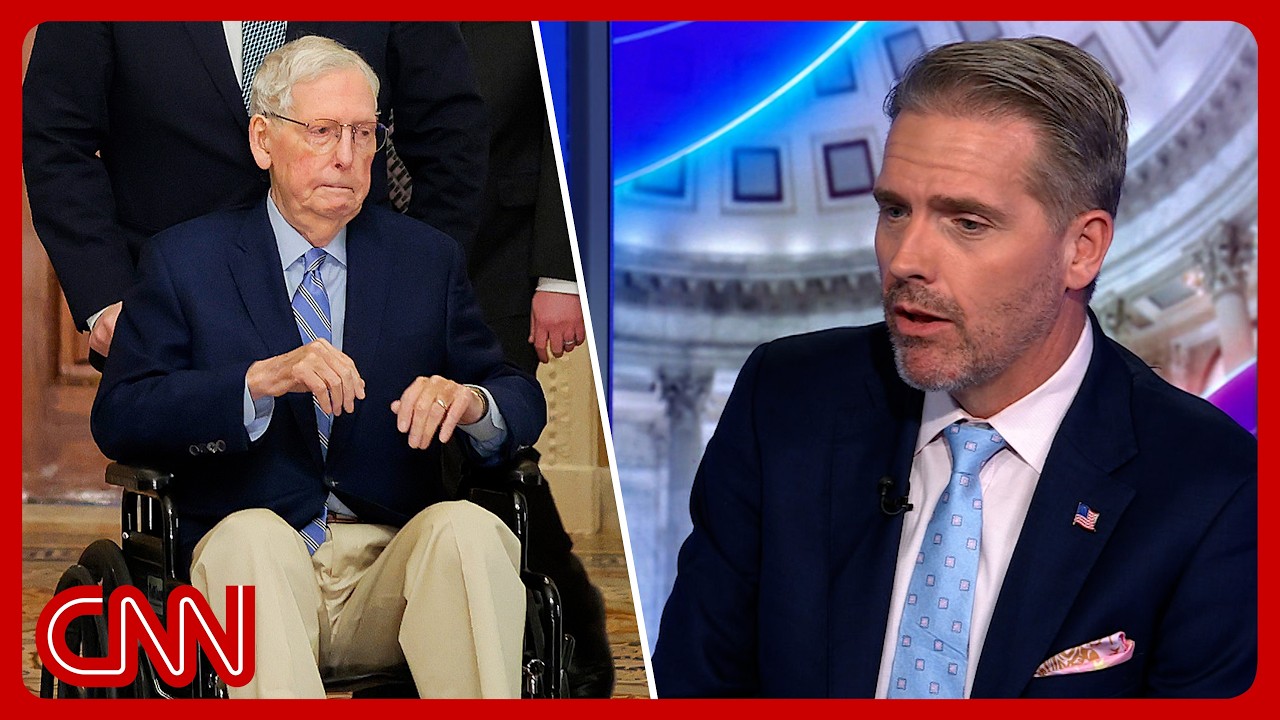
Senator Mitch McConnell’s recent hospitalization has generated significant attention and speculation within political circles and the public alike. The Majority Leader, who was admitted approximately three weeks ago, remains a pivotal figure in Senate leadership. Despite limited information from his office regarding his health condition, the concern for his well-being is palpable among his constituents and colleagues.
Senator John Thune, the Senate Majority Leader, recently spoke about McConnell, confirming that he had communicated with him. Thune remarked that McConnell is in "good spirits" and remains engaged with current affairs, which offers some reassurance about the senator’s state of mind. However, the lack of details surrounding McConnell’s hospitalization has stoked rampant speculation, prompting even some factions within the GOP to call for a “proof of life” message.
Al Cross, a seasoned political columnist and professor emeritus at the University of Kentucky, provided insights after a recent 17-minute phone conversation with McConnell. Cross reported that McConnell discussed various political issues, including foreign affairs pertaining to Iran and Ukraine. Most notably, McConnell’s voice sounded strong, and he expressed that he was feeling "okay." This conversation alleviated some fears for Cross, who sees McConnell as not only a colleague but a longtime friend.
Despite Cross’s optimistic assessment, questions about transparency linger. While he pointed out that McConnell’s age may contribute to his reluctance to divulge personal health information, the broader public holds a valid interest in the health of their elected leaders. In a climate where transparency is paramount for public trust, McConnell’s silence raises eyebrows. Critics argue that members of Congress, especially those in prominent leadership roles, have a duty to keep their constituents informed.
Cross indicated that McConnell’s desire for privacy about his health may lead to unintended consequences. “By saying as little as he has, you are allowing conspiracy theories and speculation to fill the vacuum,” he noted. This phenomenon is not trivial; it feeds into a growing distrust in established political systems and can be exploited by opportunistic figures.
The political landscape surrounding McConnell’s condition underscores the delicate balance between privacy and public responsibility. It’s reasonable to question whether senators like McConnell owe their constituents more transparency regarding their health, especially against the backdrop of public scrutiny. Cross highlighted the disparity in the expectations placed on public officials when compared to military leaders, referencing Secretary of Defense Lloyd Austin’s disclosure about his own health challenges. The comparison raises the question: should the standards for transparency in a senator’s health differ significantly from those set for military leaders?
While Cross and others express concern about McConnell’s prolonged absence from the Senate, many speculate about the influence his situation may have on political dynamics, especially given the current context of political discourse. Scott Jennings, a political commentator and friend of McConnell, acknowledged the uncertain nature of the senator’s condition. He also suggested that a photograph or a public update could help quell the swirling rumors surrounding McConnell’s health.
In a media environment dominated by speculation, a lack of clear communication can exacerbate fears and drive a wedge between elected officials and their constituents. Jennings aptly pointed out the “mega media ecosphere” driving narratives about McConnell, and the potential damage it could inflict on both the senator’s reputation and public trust in the political system.
Conclusively, while immediate updates about McConnell’s health may be difficult to navigate, the call for transparency should not be overlooked. For those in public office, the responsibility to communicate is vital, not only to uphold public trust but also to ensure that the democratic process remains strong. As the situation develops, many remain hopeful for McConnell’s swift recovery and return to the Senate, eager to see how his leadership will navigate the complexities ahead.